
Prof. M.V. Ramana: The Decline and Fall of Nuclear Disarmament in 2022
SPPGA Prof. M.V. Ramana comments on the state of nuclear disarmament in 2022.

SPPGA Director Allison Macfarlane and Prof. M.V. Ramana: Canada’s First New Nuclear Power Reactor in 30 Years Has Embarked on a Crucial Review
SPPGA Director Allison Macfarlane and Prof. M.V. Ramana comment on the review process for Canada’s first new nuclear power reactor in 30 years.

Prof. M.V. Ramana: Nuclear Fusion: It’s Really About Nuclear Weapons, Not Clean Energy
Prof. M.V. Ramana writes an article on nuclear fusion and highlights the challenges of achieving “clean fusion energy.”
Prof. M.V. Ramana: Energy or Weapons? What the Breakthrough in Nuclear Fusion Really Means
Prof. M.V. Ramana writes an article about a recent breakthrough in nuclear fusion research. He comments on nuclear power’s viability as an energy source and what this means for weapons development.

Prof. M.V. Ramana: Plutonium is Plutonium, Period, and Separating It Increases Nuclear Proliferation Risks
Prof. M.V Ramana co-writes an article on the global security risks of separating plutonium from spent nuclear fuel.

Prof. M.V. Ramana: Nuclear Power No Solution for the N.W.T., Some Experts Suggest
SPPGA Prof. M.V. Ramana comments on the lack of economic incentives to manufacture small modular reactors (SMRs) for remote communities in Canada.

Prof. M.V Ramana: New-build Nuclear Must Face Down Industry’s Costly Past
SPPGA Prof. M.V Ramana comments on the possibility of nuclear energy and power to increase interest for market shares.

Prof. M.V Ramana: Will Expanding Canada’s Plutonium Interests Support the Peaceful Use of Nuclear Energy?
SPPGA Prof. M.V. Ramana co-writes an article on the security risk of separating Canada’s plutonium interests (subscription).

Prof. M.V. Ramana: TPG&E Resubmits License Renewal for Diablo
SPPGA Prof. M.V. Ramana warns about the implications of renewing a previously withdrawn license to operate the Diablo Canyon nuclear plant (subscription).

Prof. M.V. Ramana: Why It’s So Hard to Decide Whether Nuclear Power is a Good Idea for the Climate
Prof. M.V. Ramana comments on the financial costs and safety risks of using nuclear power as a main energy source in Canada.

Prof. M.V. Ramana: Arms Control at Near-Standstill as Nuclear Threats Escalate
SPPGA Prof. M.V. Ramana comments on how easily the progress in nuclear disarmament can be overwhelmed by the actions of nuclear weapon states.

Prof. M.V. Ramana: Federal Infrastructure Bank Commits $970M Toward Canada’s First Small Modular Nuclear Reactor
SPPGA Prof. M.V. Ramana comments on Canada’s first small modular nuclear reactor in Ontario.

Prof. M.V. Ramana: Ploughshares and Swords: India’s Nuclear Program in the Global Cold War
SPPGA Prof. M.V. Ramana comments on the book’s useful connection to India’s nuclear program literature and how it powerfully undercovers its importance.

Prof. M.V. Ramana: North Korean Missile Testing Could Be Prelude to High-Stakes Bargaining
SPPGA Prof. M.V. Ramana comments on North Korea’s recent missile tests and what this means for the peace process on the Korean peninsula.

News Compilation: Nuclear Disaster Risk at Ukraine Power Plant, Zaporizhzhia
SPPGA Prof. M.V. Ramana discusses nuclear disaster risk at the Zaporizhzhia power plant in Ukraine, as a result of the ongoing war with Russia.
Prof. M.V. Ramana: 2022 World Nuclear Industry Status Report
SPPGA Prof. M.V. Ramana co-writes this year’s World Nuclear Industry Status Report.

Prof. M.V. Ramana: Small Modular Reactors: What Is Taking So Long?
SPPGA Prof. M.V. Ramana outlines the global innovation of nuclear energy technology and why there is a delay in production of SMRs in the international economy.

Prof. M.V. Ramana: Small Nuke Reactors Emerge as Energy Option, But Risks Loom
SPPGA Prof. M.V. Ramana outlines potential safety risks from storing and transporting nuclear waste from small modular reactors.

Prof. M.V. Ramana: Nuclear Lifetime Extensions: Is the Juice Worth the Squeeze?
SPPGA Prof. M.V. Ramana advocates for expanding renewable energy in Germany, as a solution to the country’s aging nuclear power plants.

Prof. M.V. Ramana: Three Mile Island, Chernobyl, Fukushima: And Now Zaporizhzhia?
Prof. M.V. Ramana discusses reports of rocket attacks on Zaporizhzhia nuclear plant after Russia’s occupation.

Prof. M.V. Ramana: Beyond First Steps: Phasing Out Nuclear Weapons and Energy
SPPGA Prof. M.V. Ramana discusses how the increased use of nuclear energy will lead to more dangers, specifically near the Zaporizhzhia plant in Ukraine.

Prof. M.V. Ramana: What Happens If Ukraine’s Zaporizhzhia Nuclear Plant Explodes?
SPPGA Prof. M.V. Ramana warns about the risk of explosion and radiation leak from the Zaporizhzhia nuclear plant in Ukraine, as a result of the war with Russia.

Prof. M.V. Ramana: Emerging Small Nuclear Reactors May Significantly Contribute to Grid Decarbonization by 2050
Prof. M.V. Ramana explains the economic challenges behind building small nuclear reactors and the inevitable rising costs due to safety concerns.

Prof. M.V. Ramana: Let’s Eliminate Nuclear Weapons, Before They Eliminate Us
Following the conclusion of the first UN meeting of the Treaty on the Prohibition of Nuclear Weapons, Prof. M.V. Ramana comments on the State Parties promise to eliminate nuclear weapons on an urgent basis.
Prof. M.V. Ramana: Molten Salt Reactors Were Trouble in the 1960s—And They Remain Trouble Today
Prof. M.V. Ramana authors an article examining the use of molten salt reactors, and why they pose more of a risk than reward as a source of nuclear power.
Prof. M.V. Ramana: Do We Need Nuclear Power to Stop Climate Change?
Prof. M.V. Ramana discusses the debate over the apparent need for nuclear power to fight climate change and adopt green energy alternatives.

News Compilation: Russia-Ukraine War Media Mentions
Faculty members from the School of Public Policy and Global Affairs (SPPGA) comment on the evolving conflict between Russia and Ukraine.
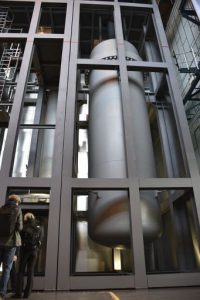
Prof. M.V. Ramana: Increased Interest and Concerns About Small Modular Reactors (SMRs) and Advanced Modular Reactors (AMRs)
Professor M.V. Ramana is mentioned in a Hokkaido Shimbun article about the increasing attention on small modular reactors (SMRs) and the development of new advanced modular reactors (AMRs) in the UK.

Prof. M.V. Ramana: India’s Inadvertent Missile Launch Underscores the Risk of Accidental Nuclear Warfare
Professor M.V. Ramana co-authors a Scientific American article on the dangers of nuclear weapons in light of the recent accidental missile launch by India.
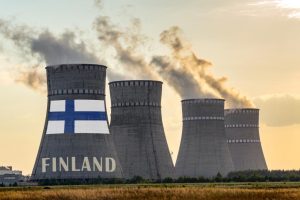
Prof. M.V. Ramana: Nuclear Waste Management: Is Finland’s Onkalo Facility Safe?’
Professor M.V. Ramana discusses the impacts Finland’s plans to store nuclear waste in an underground facility will have on the environment, humans, and other living organisms.
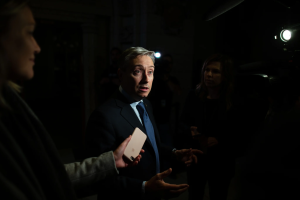
Prof. M.V. Ramana: Ottawa Pours More Money into Next-Gen Nuclear Tech; Critics to Push Back Against ‘Dangerous Distraction’
Professor M.V. Ramana argues against Innovation, Science and Industry Minister François-Philippe Champagne’s newly announced investment in nuclear technology, stating that renewable sources of energy are more practical.
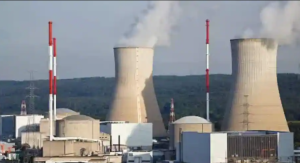
Prof. M.V. Ramana: Shutdown This Misguided Energy Policy
Professor M.V. Ramana co-authors this article discussing how the vulnerabilities of reactors and their high costs are strong reasons why India must cancel its nuclear expansion plans. (Paywall)
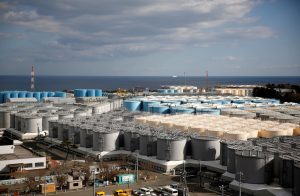
Prof. M.V. Ramana: Thorium-fueled Nuclear Reactors Won’t Help Cut Emissions
In response to the latest development in the series of agreements involving Thorcon Power, Professor M.V. Ramana argues in a Jakarta Post article that renewables are a better option than thorium-fueled nuclear reactors to reduce emissions. (Subscription)
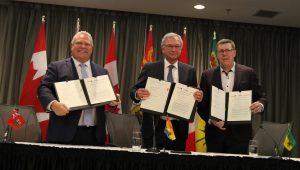
Prof. M.V. Ramana: SMRs Are a Bet the Province Has to Make
Professor M.V. Ramana’s research on economic barriers in construction and operation of small modular nuclear reactors is discussed in this article, which examines the future of nuclear power in Canada. (Paywall)
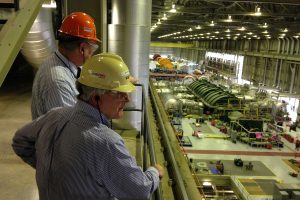
Prof M.V. Ramana: Canada’s Big Banks Urged to Drop Nuclear from Green Investment Portfolios
With 78 public interest groups urging Canada’s biggest banks to drop investments in Small Modular Reactors, Professor M.V. Ramana shares why nuclear investments pose huge risks for both private and public investors.

Professor M.V. Ramana Signed a Declaration on Canada and the Treaty on the Prohibition of Nuclear Weapons
Along with many others, Professor M.V. Ramana signed a declaration urging Canada to join the Treaty on the Prohibition of Nuclear Weapons, and to challenge the nuclear retentionist policies of NATO.
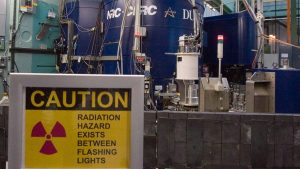
MPPGA Student Tasha Carruthers, Prof. M.V. Ramana and Others on Decolonizing Energy and Small Modular Reactors
In collaboration with SPPGA Prof Ramana, MPPGA student Tasha Carruthers co-authors this article discussing why the Kebaowek First Nation is calling for an alternative to a planned nuclear reactor.
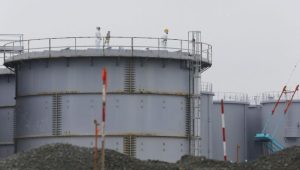
Could Nuclear Power Help B.C. Reach Its Climate Change Goals? SFU Research Makes the Case
Professor M. V. Ramana discusses whether nuclear power could be the solution for B.C. to reach its climate goal of net zero carbon emissions by 2050.
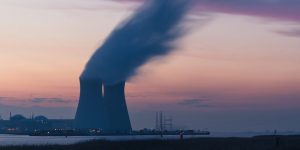
Ontario Power Is Irresponsible to Consider Another Nuclear Reactor
Professor M. V. Ramana co-authored this piece about why the environmental and public risks of Ontario constructing another nuclear reactor are too high and will detract from mitigating climate change.
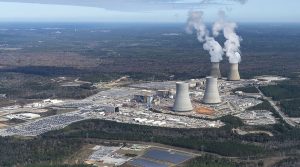
Small Modular Reactors Offer No Hope for Nuclear Energy
Professor M. V. Ramana discusses why small modular reactors offer no hope for nuclear energy, and how continued government pursuit may jeopardize attempts to mitigate climate change.
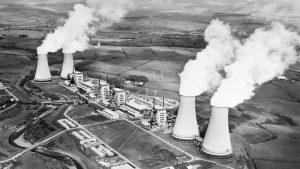
The Inaccessible Archive
Using an autobiographical narrative, Professor M. V. Ramana writes this essay offering a glimpse of the challenges posed by secrecy to democratic debate of India’s nuclear policy.
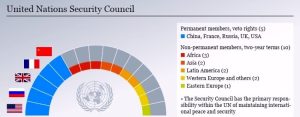
World’s Major Nuclear Powers Pledge to Avoid Wars—Even as They Continue to Upgrade Their Arsenals
Professor M. V. Ramana discusses how, despite the world’s five major nuclear powers pledging to prevent nuclear wars, the countries continue to upgrade and enhance existing nuclear arsenals.
“India” in Assuring Destruction Forever: 2022 Edition
SPPGA Professor M.V. Ramana co-authors a chapter in the Assuring Destruction Forever report about the nuclear weapon modernisation plans and programmes in India.

US Will Not Agree to All Russian Security Proposals, Compromise Possible
While it is expected that the United States will not agree to all of Russia’s security proposals, especially regarding NATO expansion, Professor M. V. Ramana shares why it is possible for the two sides to reach a compromise.
Canada’s First New Nuclear Reactor in Decades Is an American Design. Will It Prompt a Rethink of Government Support?
Professor M. V. Ramana shares why the use of an American design for Canada’s first new nuclear reactor is a bad sign for the Canadian nuclear industry, and why it may be cause for the government to rethink its support for SMR developers.
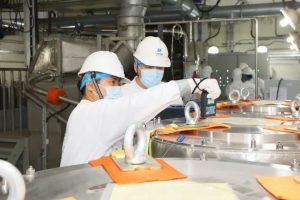
China Revives Abandoned HTGR Nuclear Technology in Safe Power Drive
As China plans to connect high-temperature gas-cooled reactors to the grid, Professor M.V. Ramana warns that accidents may arise from the technology.
Shunned after Fukushima, Nuclear Industry Hopes Smaller Reactors Can Play Role in Energy Transition
While proponents claim small nuclear reactors are safe, many, including Professor Ramana, understand that “nuclear fission is inherently dangerous and it’s difficult to judge the safety of reactors that haven’t been licensed or produced yet.”
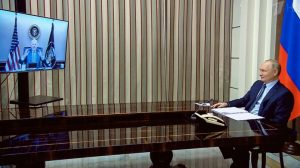
Ukraine Tensions Remain High After Putin-Biden Talk as Neither Side Likely to Give Ground
Professor M.V. Ramana warns about the rising tension between the USA and Russia over Russia’s alleged plans to invade Ukraine.
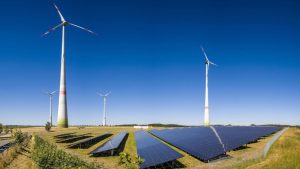
Three Myths About Renewable Energy and the Grid, Debunked
Professor M. V Ramana co-authors this article debunking myths surrounding renewable energy, and the argument that solar cannot be the foundation of a dependable electricity grid.
A Nuclear-Weapons-Free-Zone in the Middle East— & the Elephant in the Room
After nations gathered to discuss establishing a nuclear-weapon-free zones in the Middle East, Professor Ramana reasons that such a zone will be a major challenge largely due to policies around Israel’s nuclear weapons program.
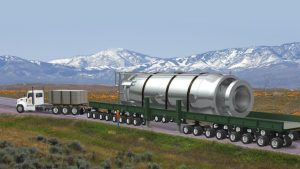
Modular Nuclear Reactors a ‘Long Shot’ Worth Studying, Says Yukon Gov’t
Professor M.V. Ramana argues that small modular reactors (SMRs) are not a practical and realistic approach to reducing emissions for Yukon and the rest of Canada.

Ways of Knowing S02E06: Naomi Klein on Climate Justice
Professor M.V. Ramana is joined by Professor Naomi Klein on the Peter Wall Institute for Advanced Studies’ Ways of Knowing podcast to discuss her intellectual journey with environmentalism, economics, social justice, and politics.
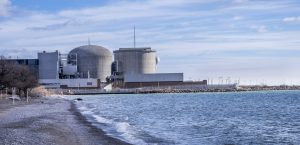
Should Nuclear Have a Place in Canada’s Climate Strategy?
As Canada commits to new climate targets following COP26, Professor M. V. Ramana argues that Canada should focus on renewables, rather than nuclear energy sources as the answer for both climate and post-COVID economic woes.
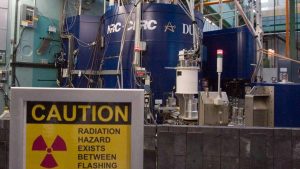
Nuclear Industry Has High Hopes for Net-Zero Future
Professor M. V. Ramana, Professor Nadja Kunz (SPPGA, Mining Engineering), and Sarah Froese (MPPGA Alum) were quoted about the future of nuclear power.
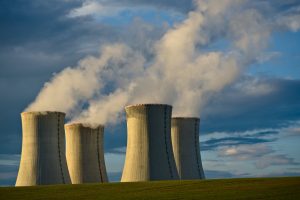
Can Nuclear Power Stay Relevant in a World Filled with Renewables?
Professor M. V. Ramana speaks with POWER Magazine as a contributor to Mycle Schneider Consulting’s World Nuclear Industry Status Report 2021 about the structural challenges of nuclear power.
Ramana, Makhijani: Look Before You Leap on Nuclear
Professor Ramana explains why the proposal to build a Natrium nuclear reactor in Wyoming is unlikely to be commercially viable, taking into account the long history of failed sodium cooled reactor projects around the world (Paywall).
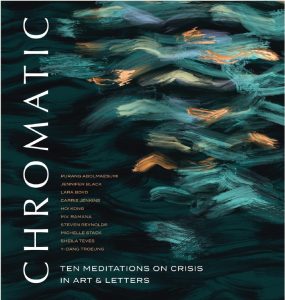
Chromatic: Ten Meditations on Crisis in Art and Letters
Read this new collection of essays and illustrations from the Peter Wall Institute for Advanced Studies, offering 10 illustrated meditations on crisis from the 2020 Wall Scholars. Professor Ramana writes on the nuclear crisis in Japan at a time of global upheaval.
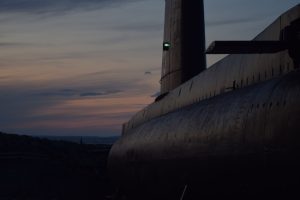
A US-UK Submarine Deal Triggers Nuclear Fears Down Under
The US, UK, and Australia agreed on a tripartite deal (AUKUS) to supply a nuclear-powered submarine to Australia. Professor M. V. Ramana raises concerns about the partnership as it will increase tensions with China and can escalate the ongoing arms race.

AUKUS May Trigger Nuclear Arms Race in Indo-Pacific, France to Stay in NATO
Professor Ramana states that the nuclear issue brought forward by new AUKUS defense deal is disturbing at two levels, as it further escalates tensions with China, and the decision to share military technology blows a hole in the nuclear non-proliferation regime.

N. Korea’s Cruise Missile Test Aimed to Draw US Attention, Resumption of Talks Unlikely
Following North Korea conducting a cruise missile test aiming to draw U.S attention, prospects of future denuclearization talks remain dim. Professor Ramana states that he doesn’t believe the test will result in significant changes in U.S policy.

Nuclear Power: Why Molten Salt Reactors Are Problematic and Canada Investing in Them Is a Waste
One of the beneficiaries leading-up to the federal election has been the nuclear energy industry, specifically molten salt reactors. Professor Ramana states that molten salt reactors are problematic and that Canada investing in them is a waste.
Asia’s Wealthiest Man Is Going Green but Still Gets Rich off Oil
SPPGA Professor Ramana says it would be hard for Reliance Industries, which owns the world’s largest oil refining complex, to dissociate from the emissions-heavy fossil fuel business despite their efforts to build more environmentally friendly products.
Can Small Modular Reactors Help Mitigate Climate Change?
Read the latest article Professor Ramana co-authored with Arjun Makhijani that analyzes the claims that small modular reactors (SMRs) will address the well-known problems of nuclear power, such as high costs, safety risks, and radioactive waste (paywall).
Governments, Utilities and the Nuclear Industry Hope Small Modular Reactors Will Power Canada’s Future. Can They Actually Build One?
Designs that might seem captivating on paper might not actually work so well in real life, warns Professor Ramana. The real challenge is researching answers to safety concerns on small modular reactors (SMRs), which can set back projects by decades (paywall).
Bitcoin Mining Firm Compass Inks Deal With Nuclear Microreactor Company Oklo
“The cost of generating nuclear electricity today is roughly about four times the cost of generating solar or wind power.” Professor Ramana gave comments on the viability and sustainability of nuclear-powered bitcoin mining.
Nuclear Energy and the Climate Change Response
Catastrophic accidents, production of radioactive waste with no proper depository and politicization of nuclear technology is why Professor Ramana is skeptical about the viability of small modular reactors (SMRs) (32:34 mark).
Setting the Stage for Wars During a Global Pandemic
In these unprecedented times, military spending, armed conflicts, and modernizing of nuclear arsenals continue as usual. The handful of nations holding these weapons “buck the international desire for nuclear disarmament”, Professor Ramana says.
World’s Nuclear Arms on High Operational Alert — & Ready to Strike
SPPGA Professor Ramana gave comments on the recent report released by International Campaign to Abolish Nuclear Weapons (ICAN), specifically how political power is wielded by nuclear weapon-producing companies to turn profits during COVID-19.
China Nuclear Drama May Be Less Alarming than the Politics Behind It
Nuclear expert Professor Ramana gave comments regarding the Taishan Unit 1 reactor’s recent gas leak. The EDF’s decision to consult the U.S. government suggests concern with accessing critical information about the gas leak, he says (paywall).
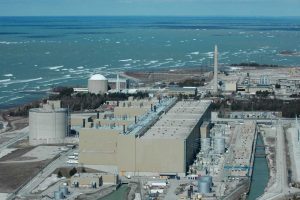
Canada’s Nuclear Ambitions — Linchpin of a Carbon-Free Future or a Path to ‘Greenwash’ Tar Sands?
Alberta’s push to build small modular reactors (SMRs) is a ‘greenwashing’ solution for the tar sands, says SPPGA Professor Ramana. He cites rising costs, long approval periods and unknown risks as reasons why SMRs are not viable solutions to reduce emissions.
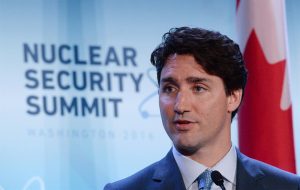
U.S. Experts to Trudeau: Your Nuclear Dream May Turn Nightmare
Canada’s investment in new nuclear technology has experts SPPGA Professor Ramana and SPPGA Director Allison Macfarlane concerned. Both professors cite unknown costs, lack of transparency, and toxic waste as key reasons for their reservations.

Plan to Import Nuclear Waste Raises Larger Questions about Plans to Deal with Domestic Nuclear Waste
Following news that former prime minister Jean Chrétien was part of a secret project to set up a radioactive nuclear waste repository, officials have declared that the proposal is dead. But Professor Ramana and Kerrie Blaise say that the proposal raises ethical questions about moving nuclear waste or producing it in the first place (Subscription).
Le Canada Mise sur le Nucléaire pour Réduire les GES
To meet its goal of climate neutrality by 2050, Canada has invested more than $75 million into the development of small modular reactors (SMRs). Professor Ramana weighs in on the conversation (French).
More Nuclear Reactors (SMRs): A Bad Investment for New Brunswick
“One cannot have both: nuclear power and sustainable renewable energy.” Professor Ramana and co-authors makes a case against SMRs for New Brunswick.
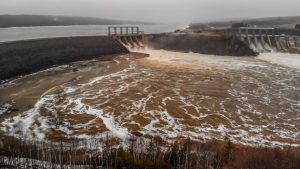
SMRs Are a Bad Investment for New Brunswick
SPPGA Professor Ramana gave comments on how refurbishing the Mactaquac Dam and utilizing renewable energy infrastructure is a more viable solution than investing in small modular reactors (SMRs) (paywall).
Briefing Paper: The Proposed Nuclear Reactors (SMRs) for New Brunswick
In a briefing on the two proposed nuclear reactors for New Brunswick, SPPGA Prof Ramana and other experts discuss the cost-analysis of SMRs.
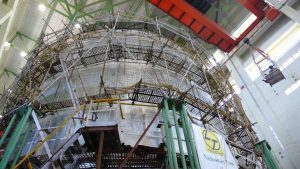
Problems with the Prototype Fast Breeder Reactor
For two decades, the story of India’s Prototype Fast Breeder Reactor is one of rising costs, delays and never-ending promises of commissioning. “Shouldn’t India then stop pursuing the breeder programme?” say Prof Ramana & MPPGA Student Nidhi Sharma.

EU Can Play Crucial Role In Restoring JCPOA By Bringing US, Iran Together
Nuclear expert Professor Ramana hopes that the proposed meeting by the EU for the Joint Comprehensive Plan of Action (JCPOA) members can lead to a compromise, as both Tehran and the US face internal pressures to initiate the first step towards reconciliation in nuclear deals.
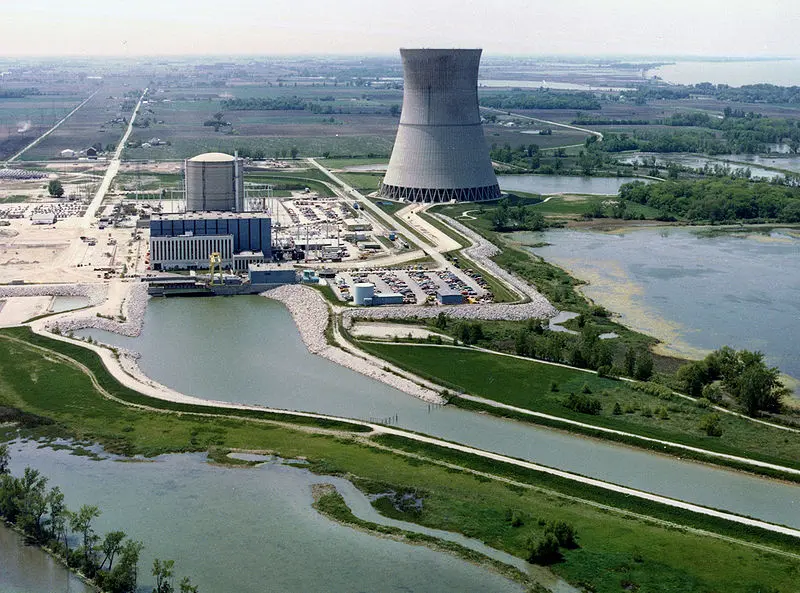
Big Money, Nuclear Subsidies, and Systemic Corruption
In July, a $60 million bribery and corruption case came to light in Ohio. The guilty party—one of Ohio’s largest utility corporations. For years, the firm lobbied to continue operating its unprofitable nuclear plants, write Professor Ramana and MPPGA Alumna Cassandra Jeffery.
Gorilla Radio with Chris Cook, Dimitri Lascaris, M.V. Ramana
Listen to Gorilla Radio’s podcast with SPPGA Prof. Ramana on how the Liberal government’s funding of Small Modular Reactors (SMRs) is a pipe dream. He cites the lengthy time, cost, and the economic disadvantage of switching to SMRs as the main reasons for its infeasibility.
Open Skies Treaty Could Still Be Saved if Biden Administration Reverses Withdrawal
SPPGA Professor Ramana says that, although it may take time, there are no obstacles to the US returning to the Open Skies Treaty under the Biden administration, which would enable signatories to exchange unarmed military surveillance flights.
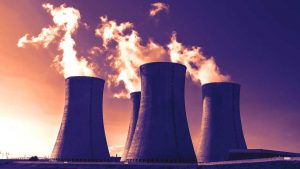
Mini-Nukes, Big Bucks: The Interests Behind the SMR Push
“The problem is that he is lobbying hard for government investment.” SPPGA Professor Ramana speaks on Bill Gates’ Breakthrough Energy Coalition and how his investment on small modular reactors is lacking to satisfy any reasonable nuclear safety regulator.
Small Modular Reactors, the Future of Nuclear Energy?
Nuclear expert & SPPGA Professor Ramana gave comments about Canada’s action plan for small modular reactors. (Article in French)
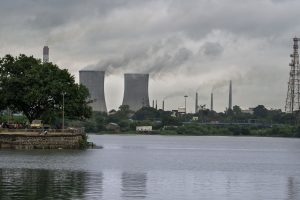
Beleaguered Small Nuclear Project Signs New Agreements
The $1.36 billion U.S. Energy Department cost-share award is not guaranteed for SMRs, SPPGA Professor Ramana cautions. The award faces uncertainty as nuclear power becomes less economically competitive with renewables & storage.

New Small Modular Reactor Action Plan a Key Step for New Technology’s Growth amid ‘Incredible Demand,’ Says Industry Group
Canada’s new Small Modular Nuclear Reactor Action Plan has UBC experts doubtful that paper designs will be economical or environmentally viable in the long run. More from Prof. Ramana, Prof. Nadja Kunz (SPPGA & UBC Mining) and MPPGA Alumna Sarah Froese.
Federal Nuclear Power Plan is a Pipe Dream
The recent announcement by the Canadian federal govt to launch a Small Modular Reactor Action Plan is not a viable solution to climate change, SPPGA Professor M.V. Ramana warns. The goal of decarbonization by 2050 is possible despite what advocates say, he adds.
Ottawa Holds Back on New Funding for Small Nuclear Reactors
Holding back on new funding for small nuclear reactors (SMR) shows that the federal government is not seriously planning for SMR development, says SPPGA Professor M.V. Ramana. Projects of this magnitude have shown to cost upwards of $1.5 billion, he adds.
Questions Abound about New Brunswick’s Embrace of Small Nuclear Reactors
Professor Ramana critiques the business case for small modular reactors as politicians look to nuclear power as the future in New Brunswick.
Atomic Heat in Small Packages Gives Big Industry a Climate Option
Today, the nuclear industry is thinking small, but whether there will be a market after they foot the bill remains to be seen, asserts Professor Ramana.
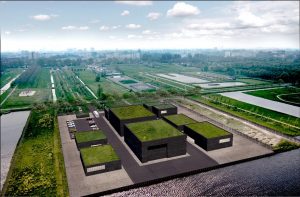
Canadian Chamber Calls for More Nuclear Funding from Feds
The recent decision of the Canadian Chamber of Commerce in supporting small modular reactors has SPPGA Professor M.V. Ramana skeptical, as the new initiative can be a way for some nuclear companies to get government funding. Full article at Telegraph-Journal (paywall).
Media Mentions: Professor Ramana Publishes Eyes Wide Shut, a Report on Problems with Small-Scale Nuclear Plants
Professor Ramana, a leading world expert on small modular reactors (SMRs), issued a report warning that more than 30 municipalities in Utah, Idaho, Nevada, New Mexico and California participating in the Utah Associated Municipal Power Systems (UAMPS) small modular nuclear project promoted by Oregon-based NuScale Power could end up being left holding the bag due […]
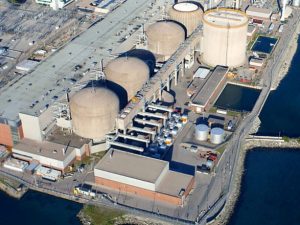
Ramana and Schacherl: Why the Liberals’ Nuclear Power Plan is a Pipe Dream
SPPGA Professor Ramana discusses the economic and environmental feasibility of the federal government’s plan for small modular nuclear reactors in Canada and argues that SMRs have no place in the plan to mitigate climate change. Read more at The Ottawa Citizen.
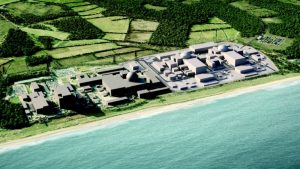
Rolls-Royce Plans 16 Mini-Nuclear Plants for UK
The consortium led by Rolls-Royce on 16 mini-nuclear plants in the UK could have significant limitations, says SPPGA Professor M.V. Ramana. Issues such as cost savings, rigorous safety standards and delays will be key questions in the development of UK small modular reactors. More at BBC News.
How Climate Change Has Put Nuclear Energy Back on the Table
SPPGA Prof Ramana participates in What On Earth with Laura Lynch’s lively debate on whether nuclear energy, particularly small modular reactors, are a viable replacement for fossil fuels. He starts at the 11:00 mark.
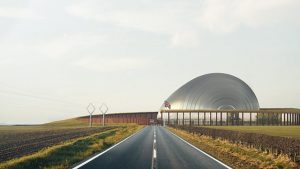
The Nuclear Industry Dreams Small
SPPGA Professor Ramana is skeptical of the case for small modular reactors, stating that it would be reversing the economies of scale. Listen here at BBC Sounds at the 12:35 mark.
Nuclear Arms Control in Crisis While U.S. Exerts Pressure on Treaty Signatories
“The goal is definitely difficult to achieve and we are not close to it, but I don’t think it is a fantasy.” SPPGA Professor M.V. Ramana reflects on the quest for a nuclear weapons-free-world and the latest ratification of the Treaty on the Prohibition of Nuclear Weapons (TPNW). Read more at IPS News Agency.
New START Extension Positive but Strategic Stability Depends on US Election Outcome
The potential extension of the New START arms reduction deal between the United States and Russia is a positive development but the deal still very much depends on the outcome of the US presidential election, asserts Professor Ramana for Urdu Point.

Can Nuclear Replace Coal in the West? Over 20 Utah Cities Are Betting on It Despite the Risks
Weighing in on a small modular nuclear reactor in Utah, SPPGA Professor Ramana says that an investment would put cities in a fixed payment system despite fluctuating prices of the power market for the next 40 years, shaping up to be a potentially bad investment. Read more at KUER 90.1.
World Nuclear Industry Status Report 2020
Nuclear expert SPPGA Professor M.V. Ramana co-authored the WNISR2020, which assesses the status and trends of the international nuclear industry and analyzes the additional challenges nuclear power is facing in the age of COVID-19. Read more at the World Nuclear Industry Status Report website.
No Business Case for New Nuclear Reactors in New Brunswick
SPPGA Professor Ramana, the Simons Chair in Disarmament, Global and Human Security, disputes what small modular nuclear reactor advocates claim to be a prospective business opportunity in New Brunswick. Read more at NB Media Co-op.