Stories, Statistics, and Authenticity in Health Communications
In a piece for the Social Science Research Council, Professor Heidi Tworek (SPPGA; History) explains the fixation on statistics during Covid-19. While used as a main tool of health communication, statistics can also obscure the inequitable effects on racialized populations.
Alberta Calls for National Security Rules for Academics to Prevent Intellectual Property Transfer to China
SPPGA Professor Paul Evans gave comments on the Albertan government’s decision to suspend its four major universities from pursuing partnerships with people or organizations linked to Beijing or the Chinese Communist Party (paywall).
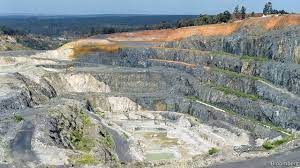
Conflict Minerals and Battery Materials Supply Chains: A Mapping Review of Responsible Sourcing Initiatives
Responsible mineral sourcing is a major issue on the global sustainability agenda. Professor Philippe Le Billon (SPPGA; Geography) co-authors this article, discussing the approaches that responsible minerals sourcing initiatives have taken, focusing on conflict minerals as well as metals and minerals needed for renewable energy technologies in a transition to a low carbon economy.
Biodiversity Day 2021
Professor David Boyd (SPPGA; IRES; UN Special Rapporteur on human rights and the environment) brings an inspiring message for this year’s Biodiversity Day.
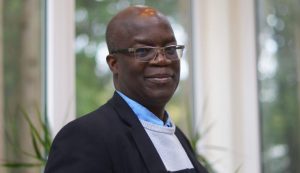
Chickpea of the Sea
With heavy carbon-intensive practices impacting the fishing industry, plant-based alternatives could be the future of seafood. Professor Rashid Sumaila (SPPGA & UBC Oceans) warns that we need to take responsibility now lest ocean biodiversity disappears.

SPPGA Postdoctoral Fellow Vincent Ialenti Joins as Berggruen Fellow
Congratulations to SPPGA Postdoctoral Fellow Vincent Ialenti, who will be joining the Berggruen Institute community of thinkers as a Fellow this fall. The 2021-2022 Class of Fellows focuses on reimagining society through interdisciplinary research.

What Can Canadian Law Makers Draw from the New UK Online Safety Bill?
In an op-ed for CIGI regarding what Canadian lawmakers can learn from the U.K.’s new Online Safety Bill, Professor Heidi Tworek (SPPGA; History) believes that transparency reports and their metrics should not create perverse incentives to silence the very communities whom the legislation is designed to help.
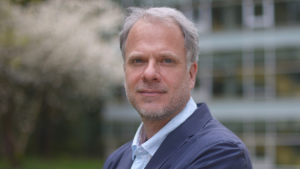
Countries Are Scrambling for Vaccines. Mongolia Has Plenty
At a time when vaccine supply is uncertain, Mongolia now has enough for its entire adult population thanks to deals with Russia and China. China’s shipment of 4 million Covid-19 vaccines could be part of a longer game, says SPPGA Professor Julian Dierkes (subscription).
The Right to Breathe: Landmark Legal Case a Fight for South African Children Harmed by Coal’s Deadly Air
“The pollution in Mpumalanga is just one example of the devastating impact of air pollution on children.” Professor David Boyd (SPPGA; IRES; UN Special Rapporteur on human rights and the environment) intervenes in a landmark legal case in South Africa as a friend of the court.
Citizen Lawsuit Seeks Court’s Help in Battle for Clean Air in Jakarta
Jakartans are joining a citizen lawsuit against the government to force officials to address the city’s grave air pollution. Professor David Boyd (SPPGA; IRES; UN Special Rapporteur on human rights and the environment) submits a brief in support, pointing out that air pollution is responsible for hundreds of thousands of deaths in Indonesia each year (Subscription).
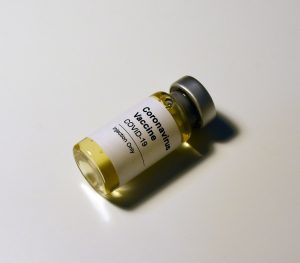
Can Better Communication Curb Vaccine Hesitancy?
On the latest episode of Capital Daily, Professor Heidi Tworek (SPPGA; History), shares how rethinking vaccine hesitancy, institutionalizing health communications and understanding accessibility is key to moving forward in Covid-19. (24:38 mark)
Plastics Manufacturers Seek to Quash Toxic Designation in Court
Professor David Boyd (SPPGA; IRES; UN Special Rapporteur on human rights and the environment) comments on plastics manufacturers taking the federal government to court after Ottawa designated their products as toxic (Subscription).
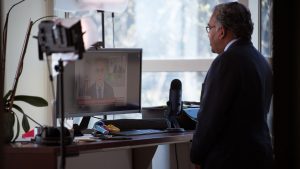
How Ashish Jha Became Network TV’s Everyman Expert on Covid
“Once you’re a fixture on TV, the odds of getting invited back for something beyond your expertise are quite good.” Professor Heidi Tworek (SPPGA; History) gave comments on Ashish Jha’s presence as an everyman expert in the media.
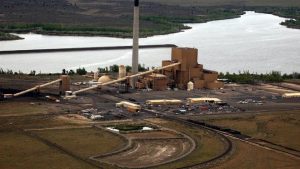
InvestigateWest: Can Oregon Democrats Learn From British Columbia’s Carbon Tax?
Professor George Hoberg gave comments on the appeal of the B.C. carbon tax, especially how it benefitted the business sector and individuals.
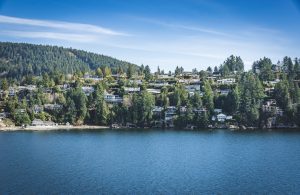
Avi Lewis to Run for Federal NDP in West Vancouver-Area Riding
The federal riding of West Vancouver-Sunshine Coast-Sea to Sky country is a ‘Liberal sweet spot.’ Professor Gerald Baier (CSDI Acting Director; Political Science) comments on the political trends of Avi Lewis’ chosen riding.
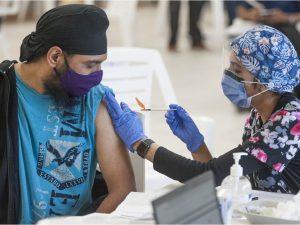
Covid-19: Fraser Health Becomes “Flexible, Agile and Adaptable” To Cool Hot Spots
Distinguishing between vaccine hesitancy and lack of access is important, notes Professor Heidi Tworek (SPPGA; History). Communication to explain the process of registering for a vaccine and booking a shot could ease confusion, she adds.
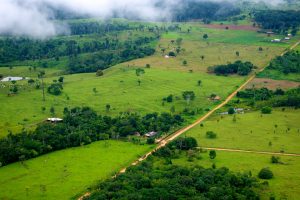
Land-Use Change Has Affected ‘Almost a Third’ of World’s Terrain Since 1960
“Land-cover change is really, really dynamic,” Professor Navin Ramankutty (SPPGA; IRES) gave comments on new estimates of how much humans have changed the Earth’s land surface.
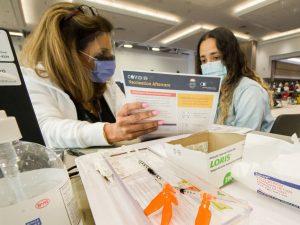
Covid-19: B.C. Pushes Vaccine Registration as Only 260,000 Are Signed up Who Haven’t Had Jab
Data on age groups that have been vaccinated could encourage people to register for their vaccine, says Professor Heidi Tworek (SPPGA; History). Yet, the B.C. government continues to be criticized for its lack of transparency of Covid-19 data.
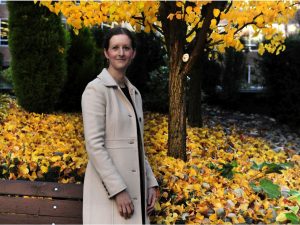
Covid-19 Gender Gap: B.C. Women Are Getting Vaccinated at Higher Rates than Men
Gender disparity in B.C. vaccination rates may not be due to vaccine hesitancy or anti-vaccine attitudes, says Professor Heidi Tworek (SPPGA; History). Figuring out if the disparity is about access to information is crucial, she adds.

‘There Is Nothing More Deeply Colonial’: No Indigenous People Were Consulted for UBC’s 2021/22 Budget
Professor Sheryl Lightfoot (SPPGA; Political Science) expressed her disappointment that the UBC Finance Committee finalized its 2021/2022 budget without consulting any Indigenous persons. This should be the last UBC budget that does its business this way, she adds.
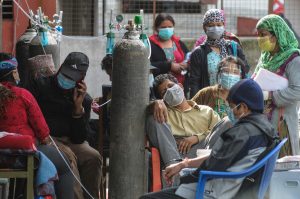
If South Asia’s Pandemic Isn’t Addressed as a Whole, India’s Covid-19 Crisis Could Be Just the Beginning
Professor Veena Sriram (SPPGA; SPPH) and Professor Sara Shneiderman (SPPGA; Anthropology) release an article to address the escalating crisis in South Asia and how there is a need for Canada and its South Asian community to build on existing efforts to present a united fight against the pandemic.

Oil, Fisheries and Coastal Communities: A Review of Impacts on the Environment, Livelihoods, Space and Governance
Professor Philippe Le Billon (SPPGA; Geography) co-authors this article, providing a review of the effects of oil development in relation to the environment, small-scale fisheries and coastal disputes over territory and infrastructure, and ocean and coastal governance processes.
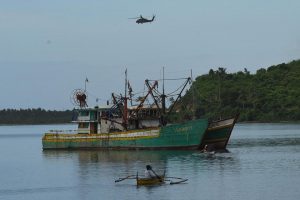
WTO Deal ‘Doable’ to Stop Subsidies That Lead to Over-Fishing
A study by Professor Rashid Sumaila (SPPGA; Institute for the Oceans and Fisheries) was cited in a piece about how a deal by the WTO could be in reach to curb over-fishing.
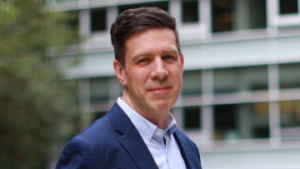
More Seats Likely as B.C. NDP Proposes Changes to Electoral Riding Rules
The Liberals respond to a proposed bill by the B.C. NDP that would allow the creation and elimination of ridings across the province. Professor Gerald Baier (CSDI Acting Director) comments at The Vancouver Sun.
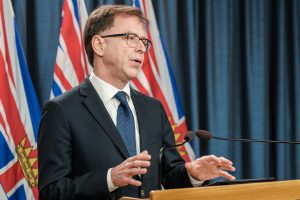
UBC Policy Professor Calls for Politicians to Take Accountability for B.C.’s COVID Data Leak
News 1130 turns to Professor Heidi Tworek (SPPGA; History) days after the province’s leaked COVID reports made the rounds. It may be good, she says, for politicians to be more transparent in their communications.
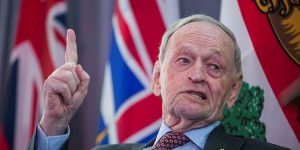
Plan to Import Nuclear Waste Raises Larger Questions about Plans to Deal with Domestic Nuclear Waste
Following news that former prime minister Jean Chrétien was part of a secret project to set up a radioactive nuclear waste repository, officials have declared that the proposal is dead. But Professor Ramana and Kerrie Blaise say that the proposal raises ethical questions about moving nuclear waste or producing it in the first place (Subscription).
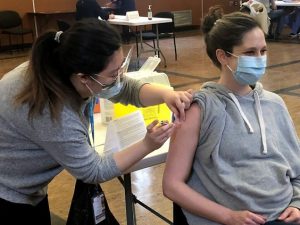
Covid-19: B.C. Physicians Say Vaccine Is Safe for Pregnant Women, Young Teens
“Vaccine hesitancy can be combated through education and a two-way conversation between health officials and the public.” Professor Heidi Tworek (SPPGA; History) gave comments on the importance of communication to alleviate vaccine hesitancy.
Vaccine Hesitancy in a Time of the Second Dose
Following Health Canada’s announcement that Pfizer vaccines are safe for young people between 12- 15, CBC Radio interviews Professor Heidi Tworek (SPPGA; History) on vaccine hesitancy.
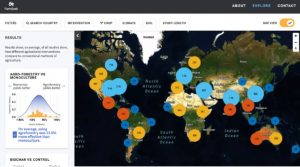
Geeking out on Farming
Want to know how a certain farm intervention affects yields in your part of the world? Zia Mehrabi & Professor Navin Ramankutty (SPPGA & UBC IRES) worked together to create FarmGeek, an online tool that will help you do just that.
Alberta Vows to Curb University’s Research Ties to China
Professor Paul Evans says although Canadian security agencies have identified some concerns, research collaboration arrangements with China are widely valued and facilitate advanced research and training.

Fighting Hate with Speech Law: Media and German Visions of Democracy
Read the latest publication by Professor Heidi Tworek (SPPGA; History) on why German politicians turned to law as a way to combat the rise of the far-right.
Paul Evans in Special Committee on Canada-China Relations
Professor Paul Evans appeared in a Special Committee on Canada-China Relations hosted this week by the House of Commons. He spoke on Canadian universities being a foundation of engagement between the two nations. Segment starts at 19:30.

Do Not Book: British Columbians Asked Not to Double up on First Dose of Covid-19 Vaccine
In a glitch of the B.C. vaccine registration system, many of the 200,000 B.C. residents who received an AstraZeneca jab are receiving invites through the central registry to book a first dose of the Pfizer or Moderna vaccines. Professor Heidi Tworek (SPPGA; History) comments on this story.
Avoid Shaming, Build Trust to Combat Vaccine Hesitancy, Southern Manitoban Pastor Says
Professor Heidi Tworek (SPPGA; History) gave comments on the importance of going local when fighting vaccine hesitancy. People are more likely to trust their community members than an authority figure who they don’t know, she says.
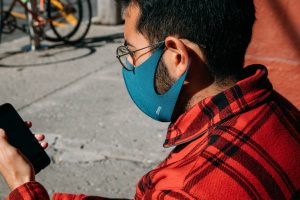
CTV National News for May 1: Critical Capacity
As hospitals in Canada reach their limits, Professor Heidi Tworek (SPPGA; History) comments on the need for patching the gaps in provincial I.T. and vaccination booking systems (segment starts at 4:50).
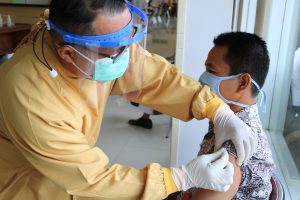
When Might the Wait Time Between Shots of Two-dose Covid-19 Vaccines Be Reduced?
As Canada’s vaccine supply is set to increase in coming weeks, some experts, including Professor Heidi Tworek (SPPGA; UBC Department of History), discuss the possibility of shorter intervals between shots.
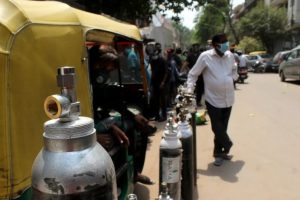
Media Mentions: COVID-19 Crisis in India
India, one of the world’s most populous countries, is currently suffering a major setback in dealing with the Covid-19 pandemic. Learn more with comments from Professor Veena Sriram (School of Public Policy and Global Affairs; School of Population and Public Health).
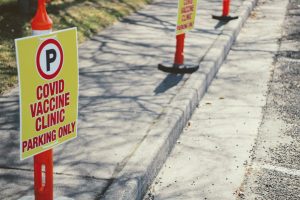
B.C.’s ‘New and Innovative’ Pop-up Vaccine Clinics Halted amid Backlash and Mea Culpas
After an incident involving pop-up vaccine clinics that left hundreds of people without vaccines, B.C. health authorities are facing backlash. Professor Heidi Tworek (SPPGA; UBC Department of History) comments on the province’s bungled communications strategy.
Le Canada Mise sur le Nucléaire pour Réduire les GES
To meet its goal of climate neutrality by 2050, Canada has invested more than $75 million into the development of small modular reactors (SMRs). Professor Ramana weighs in on the conversation (French).
The Latest on the Cullen Commission
It’s been a week of high-profile appearances by senior BC politicians at the Cullen Commission that’s looking into money laundering in the province. We hear from Professor Gerald Baier (CSDI Acting Director; Political Science) on the proceedings.

She Was Nervous to Get Vaccinated, but Winnipeg Woman Is Now Encouraging Others to Get Their Shot
After a woman shares why she got vaccinated despite her initial hesitancy, Professor Heidi Tworek (SPPGA & UBC Department of History) emphasizes the importance of showing people that vaccinations are about protecting the community as a whole.

Doug Ford Apologizes
After Doug Ford’s apology and some of Ontario’s new restrictions rolled back, Professor Heidi Tworek (SPPGA & UBC Department of History) discusses how the provincial government can change its approach to pandemic communications. (13:10 mark)
Expertise, Labour, and Mobility in Nepal’s Post-Conflict, Post-Disaster Reconstruction
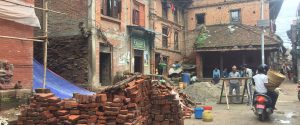
The SSHRC-funded Partnership Development Grant ‘Expertise, Labour, and Mobility in Nepal’s Post-Conflict, Post-Disaster Reconstruction’ released two policy briefs on reconstructing Nepal regarding finance and law following the 2015 earthquake. Each brief was produced by a team led by Principal Investigator, Professor Sara Shneiderman (SPPGA; Anthropology).
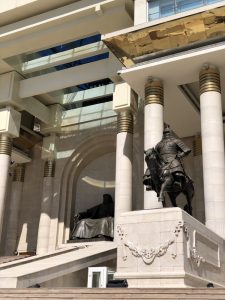
Mongolia’s President Tries to Ban Its Ruling Party
The Mongolian president’s recent decision to outlaw the Mongolian’s People’s Party (MPP) for allegedly militarizing the state to entrench power is an overblown claim, says SPPGA Professor Julian Dierkes.
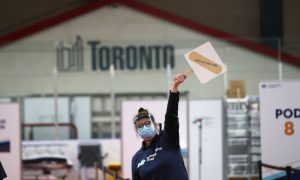
What’s Gone Wrong in Canada
“A year ago, Justin Giovannetti left Canada to join his fiancée (and The Spinoff) in New Zealand. Today, his home country is confronting another debilitating wave of Covid-19.” He speaks to Professor Heidi Tworek (SPPGA; UBC Department of History) about the lack of a national response from Canada.
Former B.C. Premier Christy Clark Says Government Didn’t Alert Her to Money-laundering Spike until 2015
Christy Clark will testify Tuesday at the official inquiry “investigating the causes and impact of B.C.’s money laundering problem over the past decade”. Professor Gerald Baier (CSDI Acting Director; Political Science) was featured in Yahoo News.
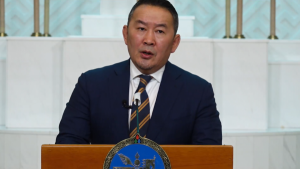
Grappling with Parliament Limiting His Powers, Mongolian President Moves to Dissolve Ruling Party
“Political shenanigans ahead of a June presidential election in Mongolia have taken a new turn,” say SPPGA Professor Julian Dierkes, Bulgan Batdorj and Marissa Smith. Read more on how said political maneuvers could threaten Mongolian democracy.
‘War Means Blood’: Can a Treaty Stop Latin American Activists Being Killed?
A treaty aiming to protect activists in Latin America could be a “life-saving game changer” according to Professor David Boyd (SPPGA; IRES; UN Special Rapporteur on human rights and the environment).

De-Politicising Seawater Desalination: Environmental Impact Assessments in the Atacama Mining Region, Chile
New research from Professor Nadja Kunz (SPPGA; NBK Institute of Mining Engineering) and others identifies how EIAs, tools meant to assess and mitigate negative socio-environmental outcomes, can be utilized in ways that enable them, such as in the case with desalinization in Chile.
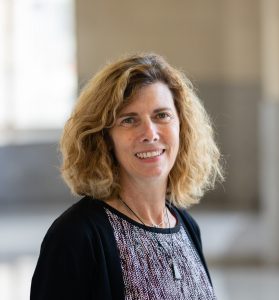
Petits Réacteurs Nucléaires: Que Fera-t-On des Déchets
SPPGA Director Allison Macfarlane speaks on the feasibility of small modular nuclear reactors and waste management in wake of New Brunswick’s plan for deployment of SMRs (Article in French).
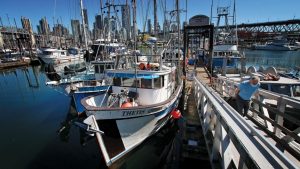
Moving Canada’s Blue Economy out of the Shallows
The global ocean economy has the potential to grow to $3 trillion by 2030, according to Professor Rashid Sumaila (SPPGA; Institute for the Oceans and Fisheries). Yet, Canada’s blue economy lags greatly behind due to declines in wild stocks & salmon farming.
Japan: UN Experts ‘Deeply Disappointed’ by Decision to Discharge Fukushima Water
Three independent UN human rights experts, including Professor David Boyd (SPPGA; IRES) expressed deep regret over Japan’s decision to discharge potentially radioactive Fukushima nuclear plant water into the ocean, impacting millions across the Pacific.
‘We Face Very Tough Challenges.’ How Mongolia Typifies the Problems Posed to Small Countries by China’s Rise
Former President Elbegdorj has turned into one of China’s harshest critics in no small part due to Beijing’s recent efforts to curb Mongolian language and culture in Inner Mongolia. SPPGA Professor Julian Dierkes comments on Mongolia’s economic entanglement with China.

Why We Need to Change the Narrative on Outdoor Transmission
“From a biological standpoint, the ventilation in open outdoor spaces is incredibly potent, and leads to rapid dispersion of respiratory particles associated with COVID transmission,” says Professor Heidi Tworek (SPPGA; History) in a co-written story about outdoor activity during the pandemic.
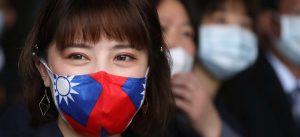
Taiwan’s COVID-19 and Pandemic Experience: What are the Lessons for Canada?
Professor Heidi Tworek (SPPGA; History) provides a stirring account of how Taiwan was able to adopt a unique communication strategy to swiftly tackle the pandemic and breaks down six lessons Canada could learn from.

Former NRC Chair Questions Economic Feasibility of New Nuclear in US
“Without further aid from Congress and the White House, the prospects for the U.S. nuclear industry will dwindle in the face of cheaper resources that are getting built faster than new nuclear generators,” says SPPGA Director Allison Macfarlane.
Media Mentions: Professor Sheryl Lightfoot Appointed United Nations Representative on Rights of Indigenous Peoples
Professor Sheryl Lightfoot (SPPGA; Political Science; First Nations & Indigenous Studies) was recently appointed as the North American member on the UN Expert Mechanism on the Rights of Indigenous Peoples (EMRIP). Read more about the appointment and related media mentions.
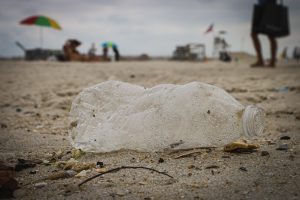
Government Response to COVID-19 Surge. Single-Use Plastic Pollution
On the BC Today Podcast, Professor Rashid Sumaila (SPPGA & UBC Institute for the Oceans and Fisheries) discusses the benefits and minimal costs of banning single use plastics, and how it should be implemented at the municipal and national levels.

Criticism Over B.C.’s Social Media Communication
“We don’t engage in as many channels as we should to reach people with clear and consistent information.” Professor Heidi Tworek (SPPGA; History) speaks on the limited social media messaging the B.C. government provides in regards to COVID-19.
More Nuclear Reactors (SMRs): A Bad Investment for New Brunswick
“One cannot have both: nuclear power and sustainable renewable energy.” Professor Ramana and co-authors makes a case against SMRs for New Brunswick.
China’s Gone Fishing
China is the world’s largest exporter of seafood – and its largest consumer. After decades of overfishing, the nation is now looking for seafood in open and contested waters. Professor Rashid Sumaila (SPPGA & UBC Oceans) has more.
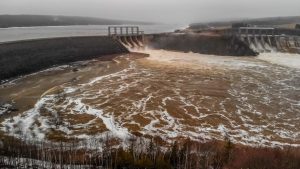
SMRs Are a Bad Investment for New Brunswick
SPPGA Professor Ramana gave comments on how refurbishing the Mactaquac Dam and utilizing renewable energy infrastructure is a more viable solution than investing in small modular reactors (SMRs) (paywall).
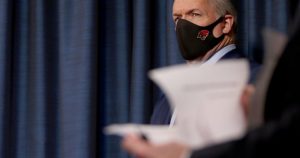
B.C. Premier Backtracks on Blaming Young People for Rise in COVID-19 Cases
Professor Heidi Tworek (SPPGA; UBC Department of History) cautions that placing the blame for the rise in COVID cases on young people could discourage them from getting tested and affect the ability to fight the pandemic in the long-term.
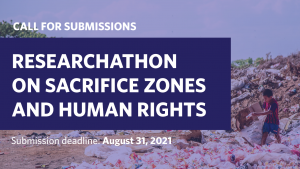
David Boyd, UN Special Rapporteur on Human Rights and the Environment, co-launches Researchathon on Sacrifice Zones and Human Rights
Join this year’s researchathon, hosted by Professor David Boyd (SPPGA; IRES) and Marcos A Orellana, which investigates “sacrifice zones” – places of severe pollution or environmental degradation where profits have been prioritized over people and public interests.

Why Small Modular Nuclear Reactors Won’t Help Counter the Climate Crisis
SPPGA Professor Ramana and others analyze the economies of scale, mass manufacturing, and the track record of small modular nuclear reactors to determine whether SMRs will help counter the climate crisis.

Why Disease Names Matter
In an op-ed for The Globe and Mail, Professor Heidi Tworek (SPPGA; History) explains how Covid-19 has fallen into a long history of place-based monikers when it comes to naming a pandemic, and how to pre-empt and combat future stigmatization.
Professor Sheryl Lightfoot Appointed United Nations Representative on Rights of Indigenous Peoples
Professor Sheryl Lightfoot (SPPGA; Poli Sci; FNIS) was appointed the North American member on the UN Expert Mechanism on the Rights of Indigenous Peoples, which provides expertise to the Human Rights Council and advises states in achieving the aims of the UN Declaration on the Rights of Indigenous Peoples.

Strategic Narratives in Global Trade Politics: American Hegemony, Free Trade, and the Hidden Hand of the State
Professor Kristen Hopewell’s research on global trade politics suggests that the dichotomy between American “free-market capitalism” and “state capitalism” is not so clear cut – and tied to a strategic narrative deployed for legitimizing US economic interest.
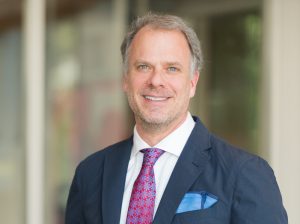
Dr. Dierkes Elected as President of the Western Canadian Deans of Graduate Studies
SPPGA Professor Julian Dierkes has been elected as the president of the Western Canadian Deans of Graduate Studies, an organization focused on promoting the effective pursuit of graduate studies at Western Canadian Universities.
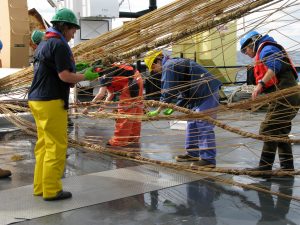
Seafood Trawl Fishing May Release as Much Carbon as Air Travel
In response to a study that suggests that seafloor trawl fishing releases as much carbon as air travel, Professor Rashid Sumaila (SPPGA & Institute for the Oceans and Fisheries) adds that we are putting too much pressure on our natural systems.
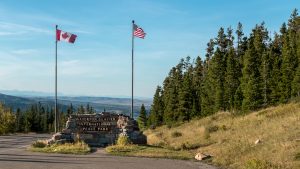
Connecting Peaces: TBCAS and the Integration of International, Social, and Ecological Peace
Transboundary Conservation Areas (TBCAs) have been heralded for their potential to foster peaceful relations, biodiversity conservation, and sustainable development, yet critics point out their failures. Professor Philippe Le Billon (SPPGA; Geography) suggests that TBCAs’ failings result in part from a lack of connection between three intertwined types of peace.
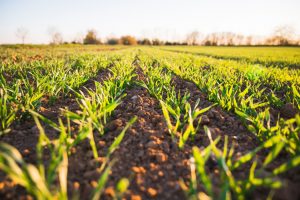
Heroes of the Developing World? Emerging Powers in WTO Agriculture Negotiations and Dispute Settlement
The latest article by SPPGA Professor Kristen Hopewell analyzes the agricultural issues between North-South countries at the World Trade Organization, particularly regarding cotton disputes, subsidies, and public stockholding.
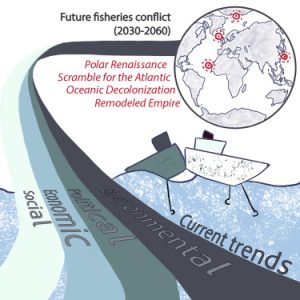
Exploring the Future of Fishery Conflict Through Narrative Scenarios
Disruptive changes in our global ocean and fisheries have sparked warnings of an increase in fishery conflicts. Professor Philippe Le Billon (SPPGA; Geography) co-authors this article, considers how multiple causal factors can drive conflict by using a scenario approach.

Two Canadians Detained by China Appear in Court (BC) (Cantonese)
As Michael Spavor awaits his verdict, SPPGA Prof Paul Evans comments on the possibility of being put into the broader Chinese prison system, which would simplify visitations.
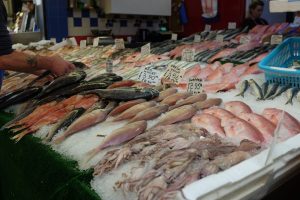
The Surprise Catch of Seafood Trawling: Massive Greenhouse Gas Emissions
Professor Rashid Sumaila (SPPGA; Institute for the Oceans and Fisheries) emphasizes the importance of tackling the newfound source of carbon emissions from bottom trawling, biodiversity loss and seafood supplies together, given their immense pressure on our natural systems.
Manitoba Campaign Aims to Combat COVID-19 Vaccine Hesitancy
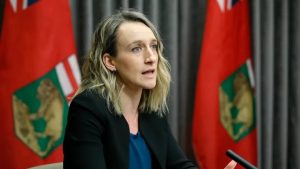
With Manitoba’s vaccine persuasion campaign underway, Professor Heidi Tworek (SPPGA & UBC Department of History) that the way myths and facts are presented could lead to further misinformation and hesitation around COVID-19 vaccinations.

Cleaning Mineral Supply Chains? Political Economies of Exploitation and Hidden Costs of Technical Fixes
Professor Philippe Le Billon (SPPGA; Geography) examines hidden costs of three prominent mineral supply chain ‘solutions’ that respectively aim to create ‘conflict-free’ minerals, curtail corruption, and reduce mercury pollution.
Bait and Switch: Fish Fraud Rampant Worldwide, New Study Shows
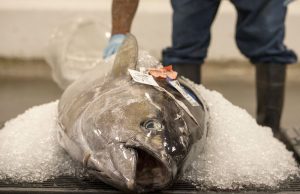
After analysis of mislabeled seafood in various countries, Professor Rashid Sumaila (SPPGA & Institute for the Oceans and Fisheries) says that the worst offenders are those who purposely sell low-value fish in place of more expensive species.
Trial in China for Michael Spavor to Start Friday; Kovrig’s to Begin Monday
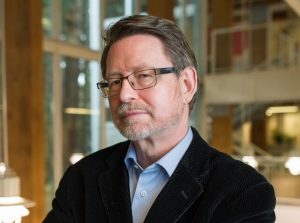
SPPGA Professor Paul Evans was quoted in an article regarding the upcoming trials of Canadians Michael Spavor and Michael Kovrig.
The Human Right That Benefits Nature
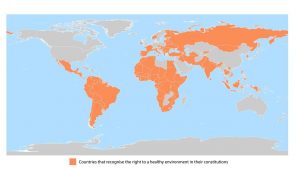
As an advocate of the human right to a healthy environment, Professor David Boyd (SPPGA & UBC Institute for Resources, Environment and Sustainability) says that recognizing the right is “a catalyst for better actions” and calls for its recognition at the UN level.

Drawing Lines in the Sand? Paths Forward for Triggering Regulation of Gene-Edited Crops
Researchers are making use of new gene-editing techniques in medicine, bioenergy, industrial biotechnology, and beyond, and the field of crop breeding is no exception. Milind Kandlikar co-authors a study examining this phenomenon.
Covid-19 and Gender-Based Violence: Reflections from a “Data for Development” Project on the Colombia–Venezuela Border
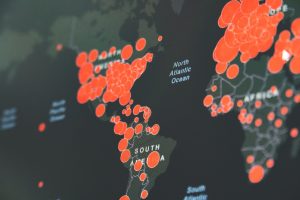
Professor Tara Cookson (SPPGA; Geography) is a co-researcher of the Cosas de Mujeres project, a mobile platform that provides resources to women who face gender-based violence (GBV) and collects data from Venezuela and Colombia.
How to Feed the World & Shrink Our Climate Footprint
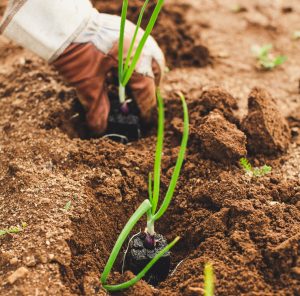
On Project Drawdown, Professor Navin Ramankutty shares up-to-date insights on food systems, climate solutions, and the importance of voting and youth climate action.

Corporate Accountability and Diplomatic Liability in Overseas Extractive Projects
Professor Philippe Le Billon (SPPGA; Geography) discusses how activities of multinational mining corporations in the developing world have come under increased scrutiny, and so has the failure of their home governments to regulate the negative impacts of their activities on host communities.
Revealed: Seafood Fraud Happening on a Vast Global Scale
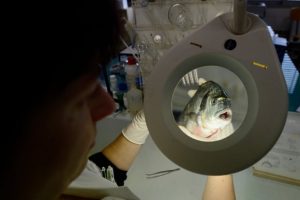
Professor Rashid Sumaila (SPPGA & Institute for the Oceans and Fisheries) discusses “fish laundering” and the economic incentives of selling low-value fish in place of more expensive species, which is often linked to illegal, unreported, and unregulated fishing fleets.
COVID-19: Radio Station at SFU Temporarily Suspends Program Linked to Website with Pandemic Conspiracy Theories
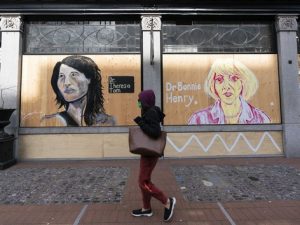
After a program from an SFU radio station was suspended, Professor Heidi Tworek (SPPGA & UBC Department of History) emphasizes that early and accessible response by health officials is the key to reducing COVID-19 misinformation and conspiracy theories.
A Deep Dive: Dr. Sumaila on Sustainable Ocean Management in Global Partnership
Taking a deep dive into sustainable ocean management, Professor Rashid Sumaila (SPPGA & Institute for the Oceans and Fisheries) says that global partnership and social, economic, and environmental interdisciplinarity will be essential in solving these global issues.
The Fukushima Accident: Do We Have the Wisdom to Move Forward?
As the 10th anniversary of the Fukushima accident approaches, SPPGA Director Allison Macfarlane discusses how to reconceive the risks of nuclear power plants in the process of transitioning away from the carbon economy.
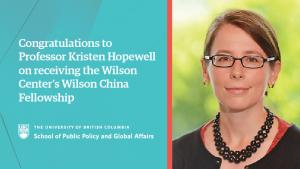
Professor Kristen Hopewell Appointed Wilson China Fellow at the Wilson Center
SPPGA Professor Kristen Hopewell, Canada Research Chair in Global Policy, has been appointed a non-resident Wilson China Fellow at the Wilson Center in Washington, D.C. Learn more about what this appointment entails.
Small Modular Nuclear Reactors and Net-Zero Carbon Emissions by 2050? The Math Doesn’t Add Up
Although small modular nuclear reactor advocates claim that net-zero carbon emissions are achievable by 2050, SPPGA Professor Ramana argues that the evidence of this is non-existent and highly unlikely.
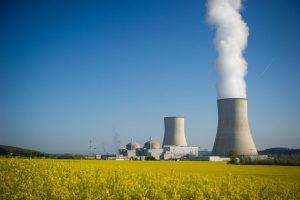
Nuclear Power Looks to Regain Its Footing 10 Years after Fukushima
SPPGA Director Allison Macfarlane believes that the future energy market will pit nuclear energy against cheaper and renewable sources, such as solar and wind with more developed offshore wind energy, batteries, and energy-storage technologies.
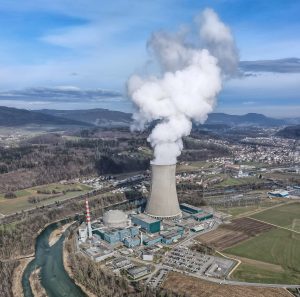
Small Modular and Advanced Nuclear Reactors: A Reality Check
SPPGA Professor Ramana examines whether small modular and advanced nuclear reactors can solve the problems of nuclear power technology – risks such as accidents, link to proliferation, waste, and economic competitiveness.
A Thin Conception of Time
Discussing SPPGA Postdoctoral Fellow Vincent Ialenti’s book, this article analyzes his idea of a “thin conception of time” where communities, businesses, and individuals live in short time spans; a cacophony progressing from one topic to another.
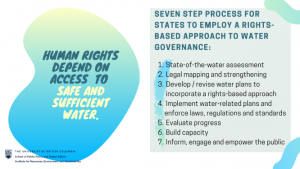
UN Report: Human Rights and the Global Water Crisis
Professor David Boyd (SPPGA; IRES) recently presented a UN report on the global water crisis, particularly on its disproportionate effects and state/business obligations to ensure safe and sufficient water for all.
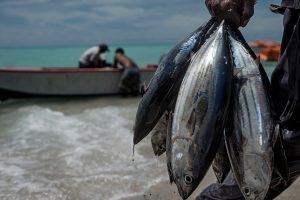
How Eight Pacific Island States Are Saving the World’s Tuna
Professor Rashid Sumaila (SPPGA; Institute for the Oceans and Fisheries) believes that the success of the Parties to the Nauru Agreement (PNA) model can be applied to West African countries, which can raise license fees to boost economies, reduce overfishing, and curtail illegal fishing.
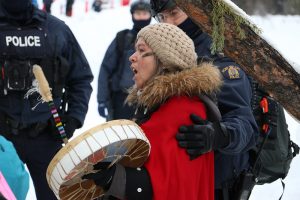
We Can’t Keep Leaving Reconciliation to the Courts
Professor Sheryl Lightfoot (SPPGA, Political Science) analyzes Canada’s adoption of the UN Declaration of Indigenous Rights, and argues that reconciliation efforts should not be left in the hands of the courts.
‘Game Is on’ as China Launches Plan to Win Tech Cold War
In its 14th five-year plan, China laid out its vision for how the country’s post-pandemic recovery can help assert its economic rise. Professor Paul Evans is quoted in The Logic on the US-China power struggle.
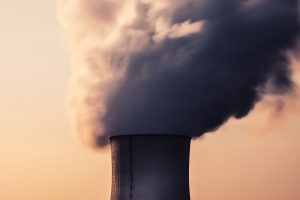
China Gives Nuclear Power a Fresh Push in Drive to Go Green
As China plans to invest more in nuclear plants, SPPGA Professor Ramana is surprised that policymakers are persisting on this expensive source of electricity, despite the rest of the world slowing down their investments in nuclear energy.
Canada-China Ties Need Reset, Experts Urge
SPPGA Professor Paul Evans describes the relationship between China and Canada as a “painful moment,” and believes that a new and more active way of engaging discussion surrounding China is important for redefining the bilateral relationship.

The Ethnography of Collaboration: Navigating Power Relationships in Joint Research
What can research collaboration mean in settings of incommensurable inequality? Lead author Omer Aijazi, (former Liu Scholar), Professor Sara Shneiderman (SPPGA & UBC Anthropology) and other researchers explore the question of power dynamics and inequities.